
Resource
Preventative Maintenance Checklist
What to inspect before it fails, system by system. Preventative maintenance is not extra work; it is the same work done on your schedule instead of the failure’s. This is the list Core crews carry on a preventative visit.
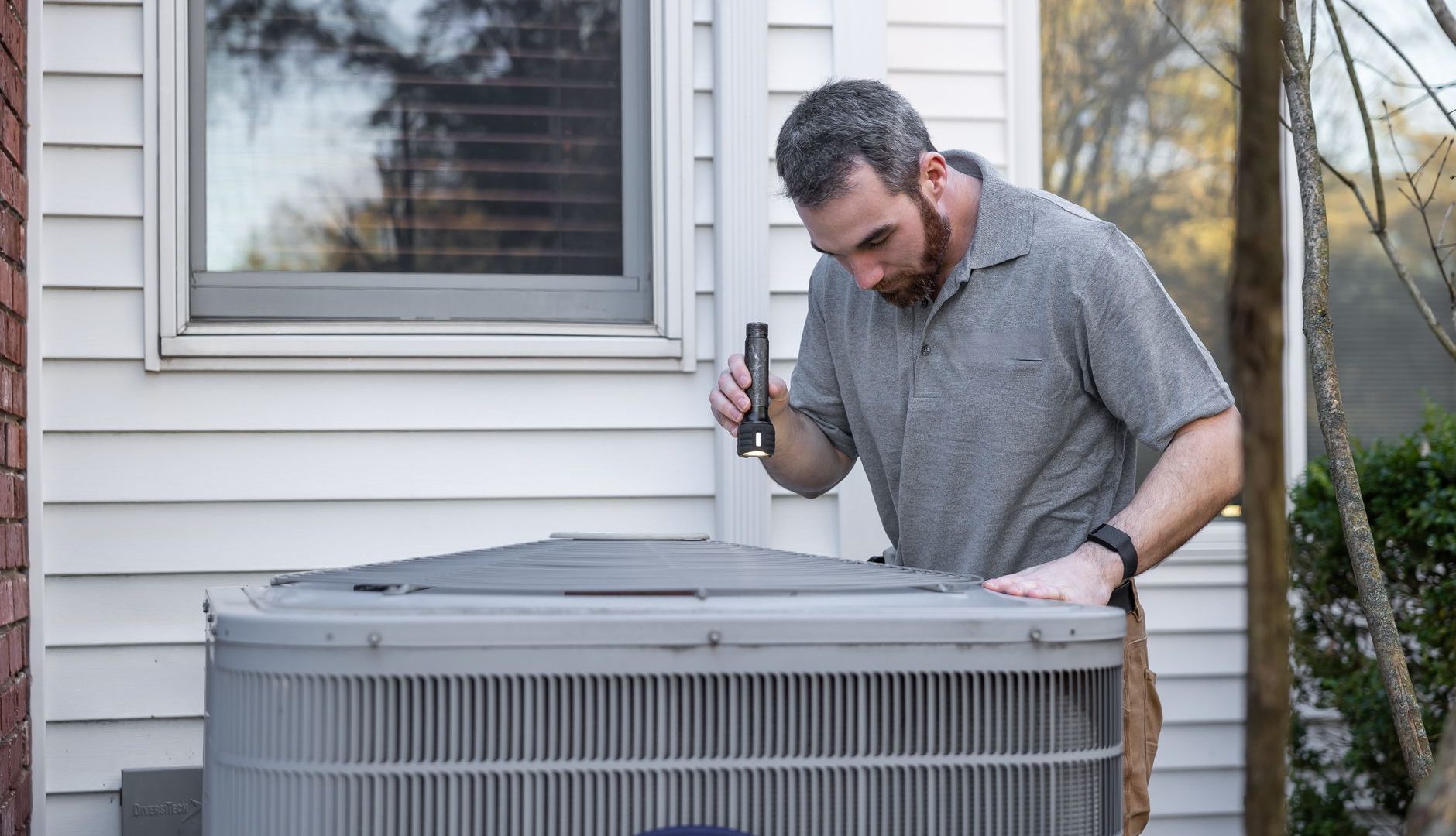
Reactive maintenance costs more than the repair. It costs the resident’s patience, the emergency call-out, the water damage that spread while nobody knew, and your afternoon. A preventative visit finds the same problem while it is a fifteen-minute fix. Below is what to look at, grouped by system, with the failures each check is meant to catch.
Plumbing
Water: The Expensive One
Water damage is the costliest routine failure in a rental. Everything here is about catching it early.
- Supply lines under sinks and toilets: bulging, corrosion, dampness
- Water heater: age, rust at the base, TPR valve, drip pan and drain
- Washing machine hoses: replace rubber hoses past five years
- Toilet base and tank bolts for seepage
- Shower and tub caulking and grout for gaps
- Main shut-off valve operates and residents know where it is
- Hose bibs and exterior lines drained or insulated before frost
Electrical & mechanical
Systems That Fail Quietly
- Furnace or heat pump serviced annually; filters changed quarterly
- Dryer vent cleared from the drum to the exterior hood
- Bath and kitchen exhaust fans actually moving air
- GFCI outlets tested; any warm outlets or breakers investigated
- Smoke and CO alarms tested, batteries replaced, units under 10 years
- Range, refrigerator and dishwasher checked for leaks and function
- Garage door opener safety reverse tested
Exterior & envelope
Keeping the Weather Out
Lane County rain finds every gap. These checks are about drainage and sealing.
- Roof: moss, lifted or missing shingles, flashing at penetrations
- Gutters and downspouts clear, secured, and discharging away from the foundation
- Grading slopes away from the building; no standing water
- Siding, trim and paint intact, especially on south and west faces
- Window and door seals, weatherstripping and thresholds
- Decks, railings and stairs: rot, loose fasteners, ledger attachment
- Crawl space: moisture, vapour barrier, insulation, vents, pests
- Trees and shrubs trimmed clear of the roof, siding and lines
How often
Twice a year covers most properties: once in late summer to prepare for rain, once in spring to assess what the winter did. Properties with older systems, heavy tree cover or a history of problems benefit from quarterly visits. Every visit should end with a dated record and photos of anything marginal, so the next visit knows what to compare against.
Doing it versus having it done
This list takes a couple of hours per property when you know what you are looking at. Core runs it as a preventative maintenance service: the same checks on a schedule, with a report after each visit and any repairs scoped for your approval. For a portfolio, it is the difference between a maintenance system and a series of emergencies.
Schedule it
Catch It Before It Fails. Book a Preventative Visit.
Tell us about the properties and Core will propose a preventative schedule, run the checklist and send you the report after each visit.
Tell Us What's Going On
Share a short description, photos, or give us a call.
Get a Clear Next Step
We review the need and clarify the recommended scope.
Let Core Handle the Work
We coordinate the service, provide updates, and keep the job moving.
Prefer to talk? Call (541) 600-4646

Get Your Free Maintenance Assessment
Tell us what needs attention and a local Core team member will review your request and help you determine the best next step.
Your free assessment includes:
Review of maintenance need
Recommended next steps
Clear scope and service options
No obligation or vendor chasing
- Local Lane County Service
- Clear Communication
- One Accountable Team